Quick Facts
- Top Pick for 2025: The Crispi Nevada GTX reigns supreme as the best overall hunting boot, balancing weight, stiffness, and durability for diverse backcountry terrains.
- Extreme Cold Leader: For stationary hunts and sub-zero temperatures, the Korkers Neo Arctic is unmatched with a thermal rating of -60°F.
- Weight Matters: We found a significant variance in gear weight; lightweight models like the Danner Recurve (3 lbs/pair) offer a massive energy-saving advantage over heavy-duty models (4.5 lbs/pair).
- The Fit Rule: Always buy your standard street shoe size for modern hunting boots, but commit to a break-in period of several short hikes to allow materials to adapt to your foot.
- Proven Testing: Our team evaluated over 25 specialized models over a rigorous 8-year period across the rugged landscapes of Montana, Colorado, and Nebraska.
Nothing spoils a high-stakes hunt faster than a blister the size of a half-dollar or a rolled ankle three miles from the trailhead. I’ve spent the better part of a decade chasing elk through the timber of Montana, glassing mule deer in the high deserts of Nebraska, and navigating the steep, shale-covered ridges of the Colorado Rockies. If there is one thing I’ve learned the hard way, it’s that your boots are the most critical piece of equipment you own. They aren't just footwear; they are your foundation.
Over the last eight years, our expert testing team has put 25 pairs of the industry’s leading boots through the wringer. We’ve lugged 100-pound packs through mud, snow, and scorching heat to find out which brands actually deliver on their promises. We’ve seen soles delaminate in the heat and waterproof membranes fail in the slush. The following list represents the absolute best hunting boots of 2025—gear that has survived the gauntlet and earned a spot in our kits.
Quick Picks: Top 3 Hunting Boots at a Glance
| Category | Model | Key Perk |
|---|---|---|
| Best Overall | Crispi Nevada GTX | Perfect balance of support and comfort for all terrains. |
| Best Cold Weather | Korkers Neo Arctic | Thermal protection down to -60°F for treestand hunting. |
| Best Lightweight | Danner Recurve | 3 lbs per pair; ideal for high-mileage stalking. |
Detailed Reviews: Best Hunting Boots of 2025
1. Best Overall Backcountry Boot: Crispi Nevada GTX
If I had to choose one boot to wear for the rest of my life, the Crispi Nevada GTX would be it. In our testing across Montana and Colorado, this boot proved to be the ultimate "do-it-all" workhorse. It features a heavy-duty GORE-TEX lining that hasn't leaked once in three seasons of use, and the Vibram outsole provides the kind of "mountain goat" traction you need when side-hilling on slick grass or loose rock.
The Nevada strikes a rare balance: it’s stiff enough to handle a heavy pack on steep inclines, yet comfortable enough for a 10-mile trek on the first day out of the box. One vital tip for the Nevada—and most modern boots—is to stick to your standard street shoe size. Don't size up. Allow for a break-in period of three to four short hikes; the high-quality leather uppers need that time to mold to the unique contours of your foot.
- Pros: Incredible ankle stability (ABSS system), dual-density midsole, superior waterproofing.
- Cons: Higher price point, slightly heavier than pure "scrambling" boots.
2. Best for Extreme Cold & Treestand Hunting: Korkers Neo Arctic
When the mercury drops and you’re sitting in a treestand for eight hours in Nebraska, your standard mountain boots won't cut it. The Korkers Neo Arctic is a beast designed for the deep freeze. It features a thermal rating capable of withstanding temperatures as low as -60 degrees Fahrenheit.
We tested these during a late-season whitetail hunt where the wind chill stayed consistently below zero. While my hunting partners were heading back to the truck with numb toes, I was perfectly comfortable. The 8mm waterproof neoprene and fleece lining create a heat-trapping furnace for your feet. Plus, the Korkers' interchangeable sole system means you can swap for felt or studded soles if you’re navigating icy riverbanks.
- Pros: Unbeatable warmth, easy-on/off design, interchangeable outsoles.
- Cons: Bulky for long-distance hiking, limited breathability in mild weather.
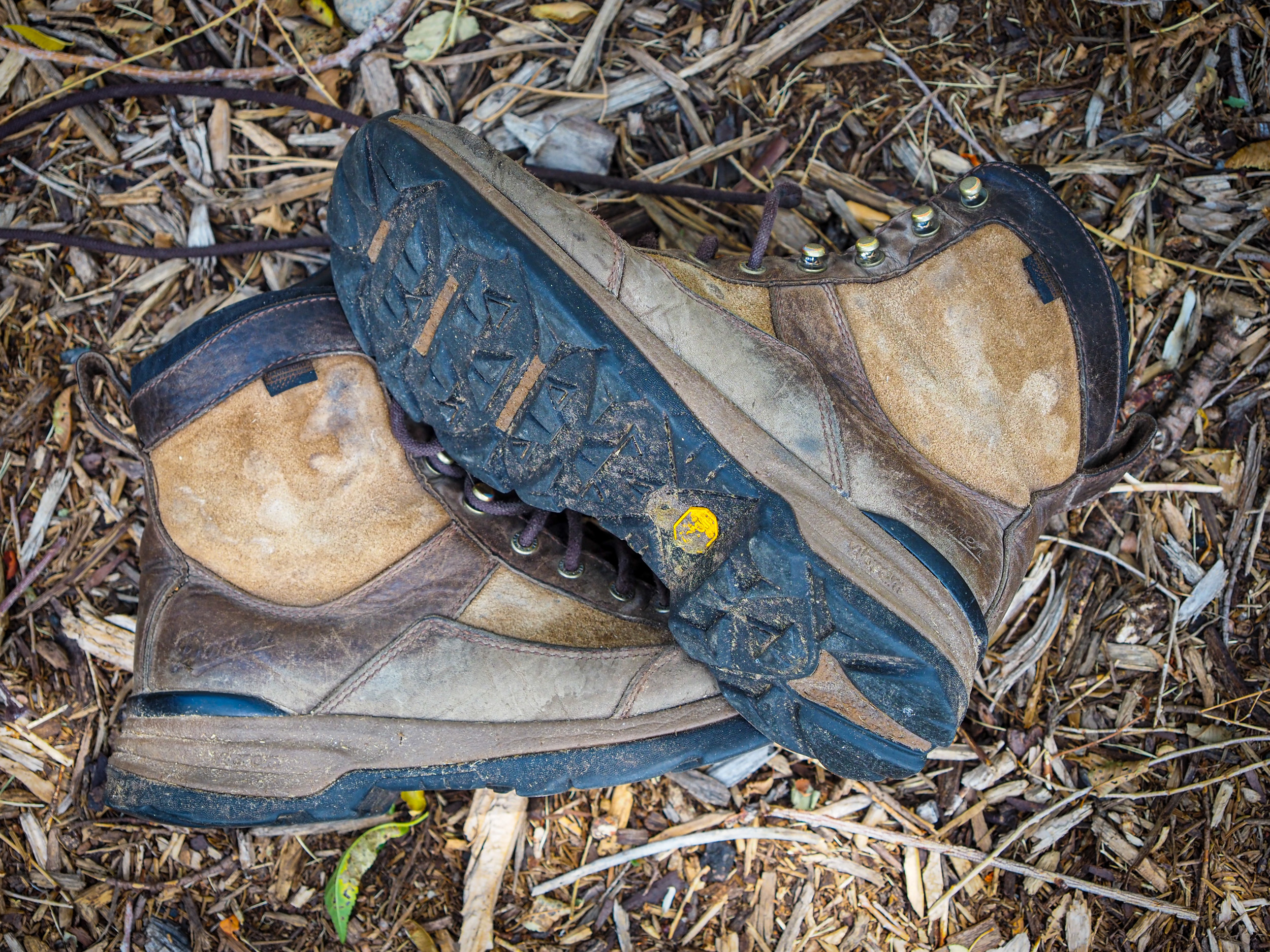
3. Best Lightweight Stalking Boot: Danner Recurve
For the hunter who values speed and agility, the Danner Recurve is a revelation. Our weight analysis showed a significant variance in backcountry gear, and the Recurve sits firmly on the lightweight end at just 3 pounds per pair. Compare that to the 4.5 pounds of most heavy-duty mountain models, and you’re essentially lifting 1.5 pounds less with every step—thousands of times a day.
In our field tests, the Recurve felt more like a high-top sneaker than a traditional hunting boot. It’s built for the "spot-and-stalk" hunter who needs to move quietly and quickly through the timber. While it lacks the extreme ankle support of a Crispi or Kenetrek, its flexibility allows for a much more tactile "feel" of the ground beneath you.
- Pros: Extremely lightweight, minimal break-in time, stylish aesthetic.
- Cons: Not suitable for heavy pack-outs in very steep terrain, less durable uppers.
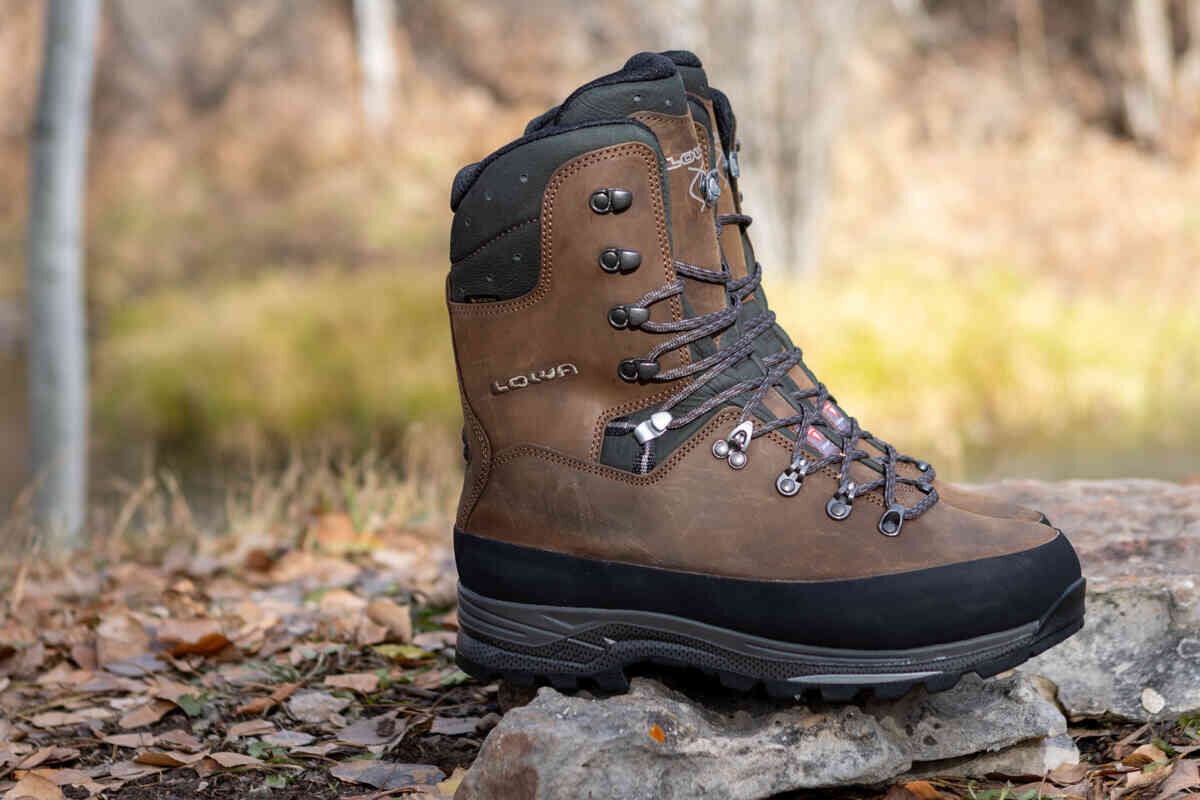
4. Best for Rugged Mountains: Lowa Hunter GTX Evo Extreme
When the terrain turns vertical and the rocks turn sharp, you need the Lowa Hunter GTX Evo Extreme. This boot is a tank. Featuring 200g of PrimaLoft insulation, it provides just enough warmth for high-altitude starts without overheating you during a mid-day climb. The tall leather upper offers some of the best lateral support we’ve ever experienced, which is a lifesaver when you're carrying a heavy load of elk meat down a 30-degree slope.
- Pros: Exceptionally stiff for steep terrain, high-quality Italian construction, great insulation balance.
- Cons: Very stiff out of the box, requires a long break-in period.
5. Best for Saddle Hunters: Kenetrek Elevated Extreme
Saddle hunting requires a specific kind of boot—one that can provide support while standing on narrow platforms and keep your feet warm during long periods of inactivity. The Kenetrek Elevated Extreme is built on a stiff 7mm nylon midsole that prevents your foot from "wrapping" around the stand's edge, which significantly reduces foot fatigue. With 1000g of Thinsulate, these are designed for those bone-chilling November mornings when the rut is in full swing.
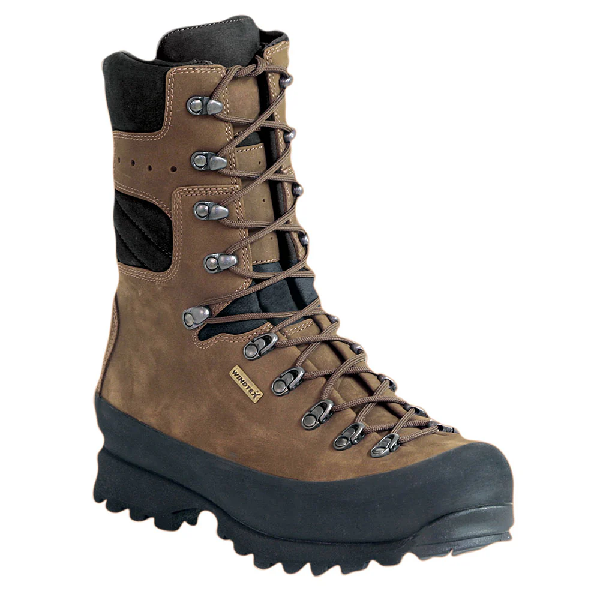
- Pros: Incredible warmth (1000g Thinsulate), rock-solid platform support, durable rubber rand.
- Cons: Heavy, overkill for active western hunting.
6. Best Late-Season/Wet Conditions: LaCrosse Ursa 10" Late Season GTX
When the slush hits and the trails turn into streams, the LaCrosse Ursa 10" is the boot you want. It combines the height of a traditional hunting boot with the waterproof reliability of a technical mountaineering boot. During our late-season tests in Montana, the 400g of Primaloft Gold insulation kept our feet warm even after several miles of trekking through six-inch snow. The Suede and Nylon upper is surprisingly resilient against abrasions from frozen brush and deadfall.
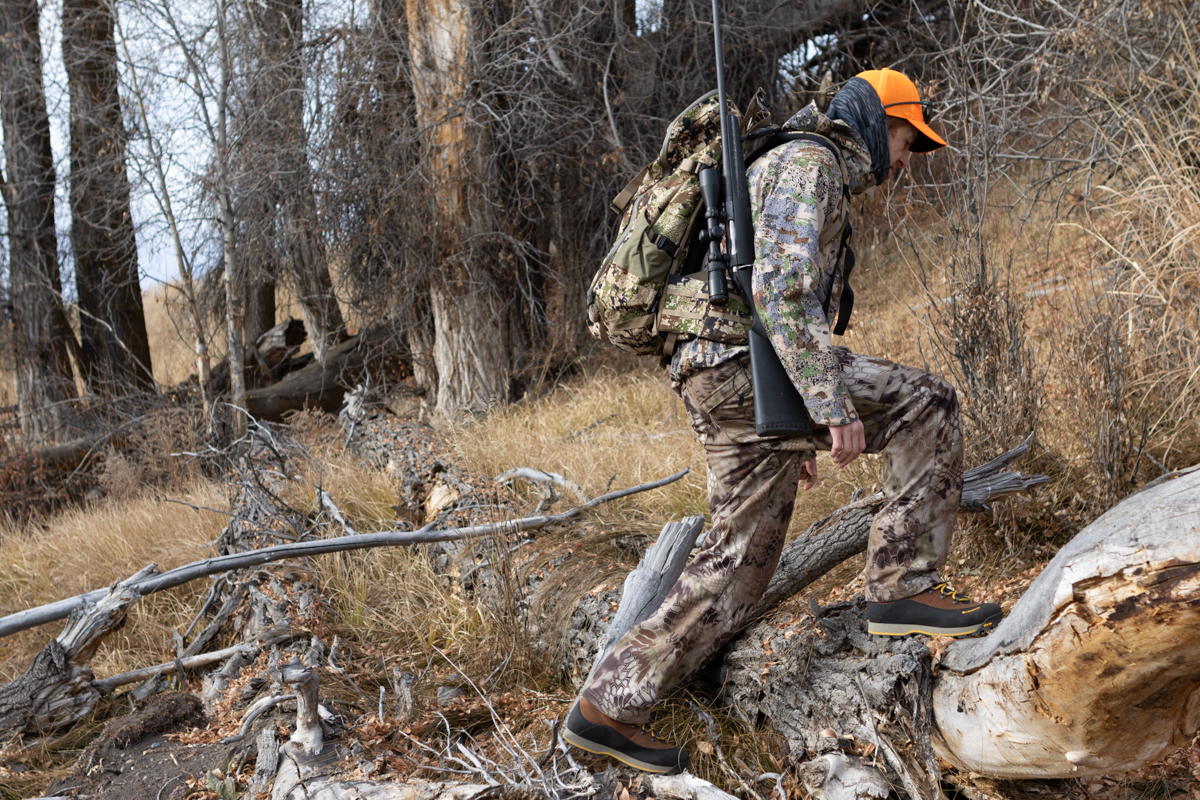
- Pros: 10-inch height keeps debris/snow out, excellent GORE-TEX integration, vibrant traction.
- Cons: Can feel a bit "clunky" on flat, hard-packed trails.
7. Best Upland & Grassland Boot: Irish Setter Wingshooter 9"
Upland hunting is a different beast entirely. You’re not climbing shale peaks; you’re logging 15 miles a day through cornfields and CRP grass. The Irish Setter Wingshooter is a classic for a reason. Its white wedge sole is designed to provide traction without caking up with mud, making it the perfect choice for the prairies of Nebraska. The waterproofing is top-tier for those dewy mornings in the tall grass.
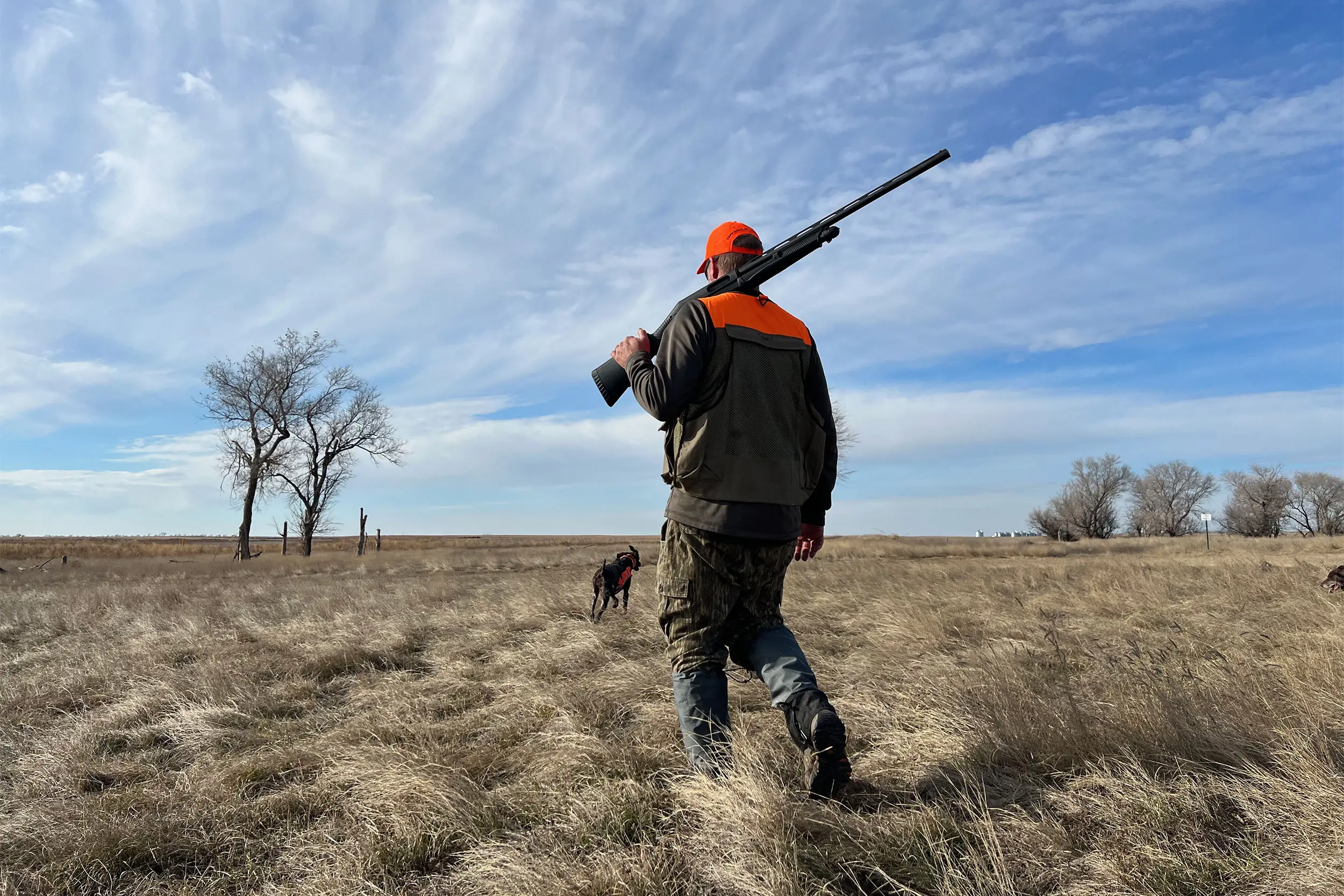
- Pros: Classic style, very comfortable for high-mileage flat ground, excellent value.
- Cons: Zero ankle support for steep hills, wedge sole wears down faster on pavement.
Shop Irish Setter Wingshooter →
8. Best Technical Scrambling Boot: Zamberlan 972 Guide Max GTX
For the hunter who finds themselves in "no-fall" zones, the Zamberlan Guide Max GTX is a masterpiece of Italian engineering. Using full-grain Tuscan leather and a specialized StarTrek II outsole, this boot is built for technical scrambling. We tested these on the jagged peaks of Colorado, and the edge-control provided by the stiff sole was confidence-inspiring. It feels more like a mountaineering boot adapted for hunting.
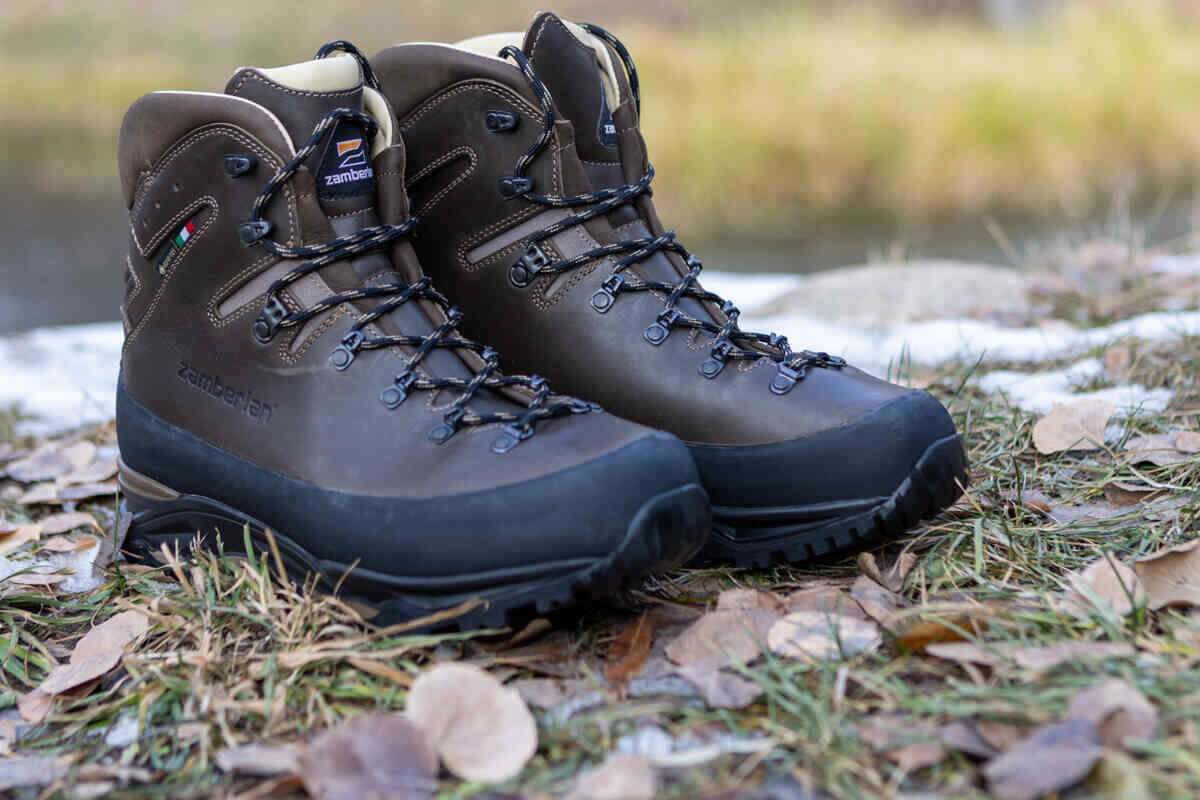
- Pros: World-class leather quality, exceptional durability, great for narrow feet.
- Cons: Expensive, can be too stiff for those used to softer boots.
9. Best for Foot & Ankle Support: Kenetrek EverStep Orthopedic
If you have a history of ankle injuries or chronic foot pain, the EverStep Orthopedic is a game-changer. It’s essentially a high-end mountain boot with a built-in medical-grade brace. We had a tester with a reconstructed ankle use these in Montana, and he reported significantly less fatigue and zero "rolls" over a 5-day hunt. It's a niche boot, but for those who need it, it’s the difference between staying in the field or staying on the couch.
- Pros: Unmatched injury prevention, extremely stable, helps with plantar fasciitis.
- Cons: Heavy, very stiff, expensive.
10. Best Early Season Rubber Boot: KUIU HD Mud Boot
Rubber boots used to be sweaty, uncomfortable buckets. The KUIU HD Mud Boot changes that. With 7mm of neoprene and a self-cleaning sole, this is the ultimate boot for early-season scouting or hunting in swampy bottoms. The fit is much more "athletic" than your standard farm boot, meaning your heel won't slip out every time you step in deep mud.
- Pros: Completely waterproof, self-cleaning lugs, surprisingly good arch support.
- Cons: Not breathable, not for cold weather.
Buyer’s Guide: 4 Principles for Choosing Your Backcountry Footwear
Principle 1: Terrain vs. Stiffness (Steeper = Stiffer)
Think of your boots like a suspension system. If you are hunting flat grasslands or rolling hills, a flexible boot (like the Danner Recurve) allows your foot to move naturally. However, once you hit the steep shale of the backcountry, a flexible boot will cause your calves to burn out as they struggle to find a "platform." For steep mountains, you want a stiff sole (like the Zamberlan or Lowa) that lets you "edge" into the hillside.
Principle 2: The Multiplier Effect of Foot Weight
There is an old hiking adage: "A pound on your feet is like five on your back." Our testing confirms this. When you are tired, every ounce feels like a lead weight.
| Model | Weight (Per Pair) | Best Use Case |
|---|---|---|
| Danner Recurve | 3.0 lbs | Stalking & Speed |
| Crispi Nevada | 3.8 lbs | All-Around Backcountry |
| Kenetrek Elevated | 4.5 lbs | Heavy Packs & Steep Slopes |
Principle 3: Insulation Math
Don't over-insulate. If you are an active western hunter covering 5-10 miles a day, 0g to 200g of insulation is usually plenty. Your body heat will do the rest. If you are a stationary treestand hunter in the Midwest, you need 800g to 1000g+. Putting 1000g boots on an active elk hunter is a recipe for soaked socks and eventual blisters.
Principle 4: The Break-in Period & System
A boot is only as good as the sock and insole inside it. We always recommend upgrading the stock insoles to something with better arch support, like Superfeet or Crispi’s own orthotics. Furthermore, never take a brand-new pair of leather boots on a hunt. Wear them to the grocery store, on your neighborhood walks, and during short scouts. Leather needs heat and moisture (sweat) to soften and conform to your foot shape.
Frequently Asked Questions (FAQ)
Q: Should I buy Crispi or Danner hunting boots? A: It depends on your hunting style. If you need a technical, stiff boot for steep mountain terrain and heavy pack-outs, Crispi is the superior choice. If you want a lightweight, comfortable boot for "scouting-style" hunts or flatter terrain, Danner offers better out-of-the-box comfort and lower weight.
Q: How do I know if my hunting boots fit correctly? A: With your boots unlaced, slide your foot forward until your toes touch the front. You should be able to slide one finger behind your heel. When laced, your heel should stay locked in place without lifting when you walk uphill.
Q: Are waterproof hunting boots actually waterproof? A: Modern GORE-TEX and proprietary membranes are excellent, but they aren't magic. If water comes over the top of the boot, they will stay wet for a long time. For extremely wet marshland, a dedicated rubber boot like the KUIU HD is a better choice than leather.
Master the Terrain
The backcountry doesn't care about your excuses, and it certainly doesn't care if your feet hurt. Choosing the right boot is the first step toward a successful season. Whether you’re glassing the peaks of Montana or sitting a stand in Nebraska, your gear should be the last thing on your mind. Grab a pair that fits your terrain, break them in right, and get out there. The mountains are waiting.