Quick Facts
- Hardshell vs. Rain Jacket: A hardshell is a rugged, 3-layer technical piece ($300-$600+) built for alpine extremes. A rain jacket is typically a 2 or 2.5-layer piece designed for casual hiking and daily weather protection.
- The Value Sweet Spot: For most hikers, 2.5-layer jackets offer the best price-to-performance ratio, utilizing a lightweight sprayed-on laminate instead of a heavy third fabric layer.
- The Gore-Tex Verdict: While Gore-Tex offers industry-leading breathability and durability, proprietary coatings (like Patagonia’s H2No or BD.dry) often suffice for non-extreme, intermittent use at a much lower cost.
- Durability Metrics: Premium 70D (Denier) fabrics offer over 2x the abrasion resistance of minimalist 30D alpine shells, a critical factor for those navigating granite scrambles or heavy brush.
- Weight Dynamics: Minimalist women’s shells can weigh as little as 9.9 oz, while feature-rich all-around shells can reach 21.2 oz—a 114% weight increase for the sake of added pockets, zippers, and durability.
Introduction: The Curse of Choice in Modern Rainwear
In the world of outdoor gear, we often suffer from what I call the "Curse of Choice." Walk into any flagship outfitter, and you are confronted with a wall of technical shells that look remarkably similar but carry price tags ranging from $100 to nearly $800. For the uninitiated, the marketing jargon—proprietary membranes, microporous laminates, and denier counts—is designed to justify these price jumps, but it rarely explains whether a $600 jacket will actually keep you drier than a $200 one.
As a travel critic who has tested gear from the rain-soaked peaks of the Pacific Northwest to the wind-blasted ridges of the Andes, I’ve learned that spending $500 isn't always the "better" choice. The real goal isn't just "staying dry"—any plastic poncho can do that—it’s "staying comfortable." It’s about managing internal moisture (sweat) while blocking external elements. In this guide, we will strip away the marketing fluff and look at the data to ensure you don’t waste money on technology you don’t actually need.
Hardshell vs. Rain Jacket: Which Do You Actually Need?
The first mistake many travelers make is using the terms "hardshell" and "rain jacket" interchangeably. In the industry, they represent two distinct tiers of protection.
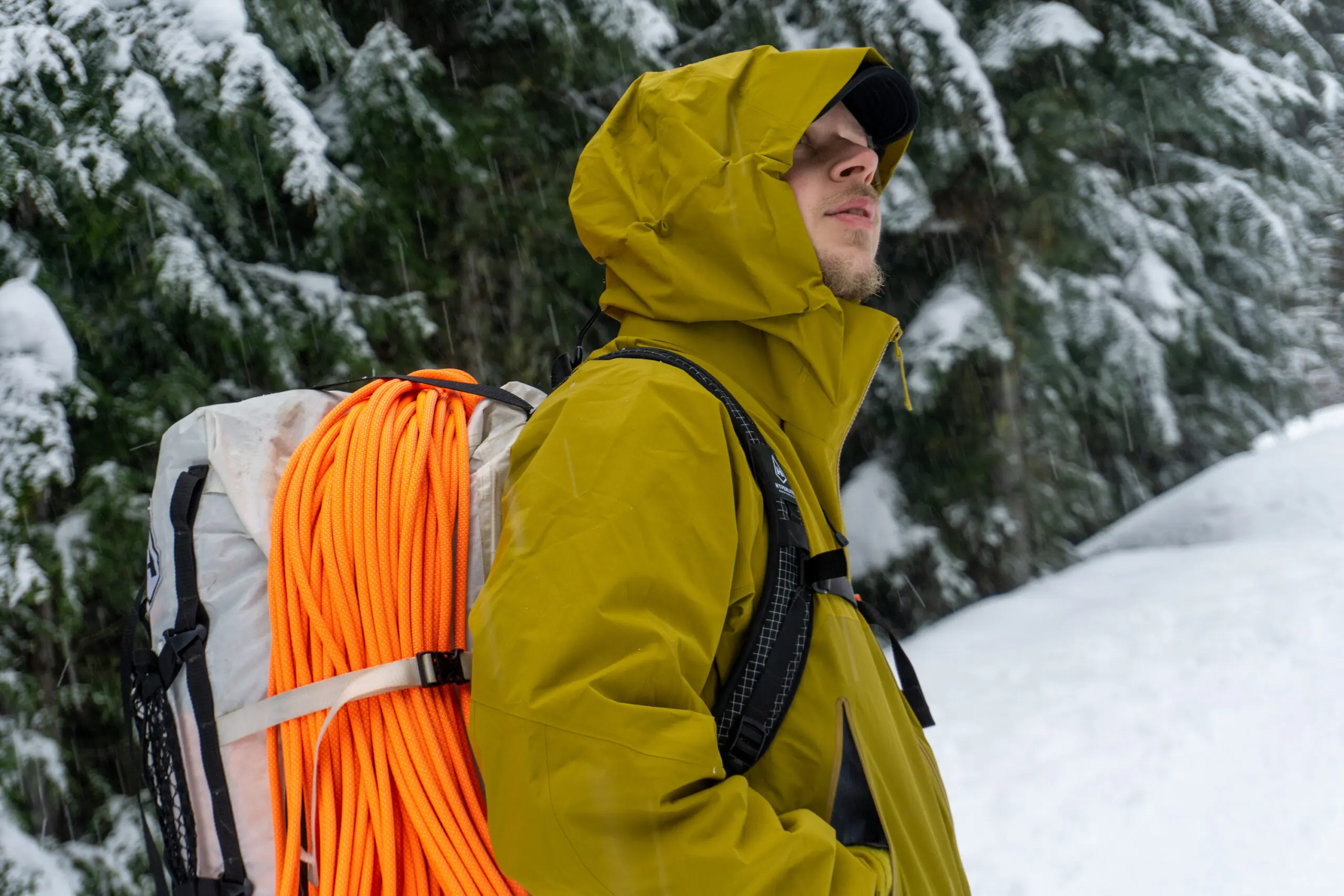
A hardshell is a 3-layer fortress. It is designed for extreme alpine conditions where high winds, frozen precipitation, and physical abrasion from rock or ice are guaranteed. These jackets are stiff, loud (they "crinkle"), and highly breathable under high-exertion loads. Conversely, a rain jacket is generally thinner, more flexible, and significantly more affordable. These are intended for casual hiking, city commuting, and everyday protection.
If your primary activity involves day hikes and occasional travel to rainy climates, a true hardshell is likely an over-investment. However, if you are planning four-season use or high-altitude mountaineering, the structural integrity of a hardshell becomes a safety requirement rather than a luxury.
Decoding Jacket Construction: Where the Money Goes
The price of a shell is almost entirely dictated by its construction—how the waterproof membrane is bonded to the face fabric. Understanding these layers is the key to identifying value.
| Construction Type | Layers | Best For | Pros | Cons |
|---|---|---|---|---|
| 2-Layer | Fabric + Membrane + Loose Liner | Casual use, commuting | Quiet, soft feel, affordable | Heavy, bulky, least breathable |
| 2.5-Layer | Fabric + Membrane + Sprayed Coating | Backpacking, light hiking | Lightweight, packable, high value | "Clammy" feel against skin |
| 3-Layer | Fabric + Membrane + Bonded Liner | Alpine climbing, skiing | Most durable, best moisture management | Expensive, stiff, heavier |
For the cost-conscious hiker, 2.5-layer jackets are the most cost-effective solution. By using a sprayed-on or printed laminate on the interior instead of a bonded fabric liner, manufacturers can keep the weight low and the price accessible. While they can feel slightly "clammy" against bare skin when you sweat, they offer excellent protection for the occasional storm.
The Gore-Tex Question: Is the Premium Worth It?
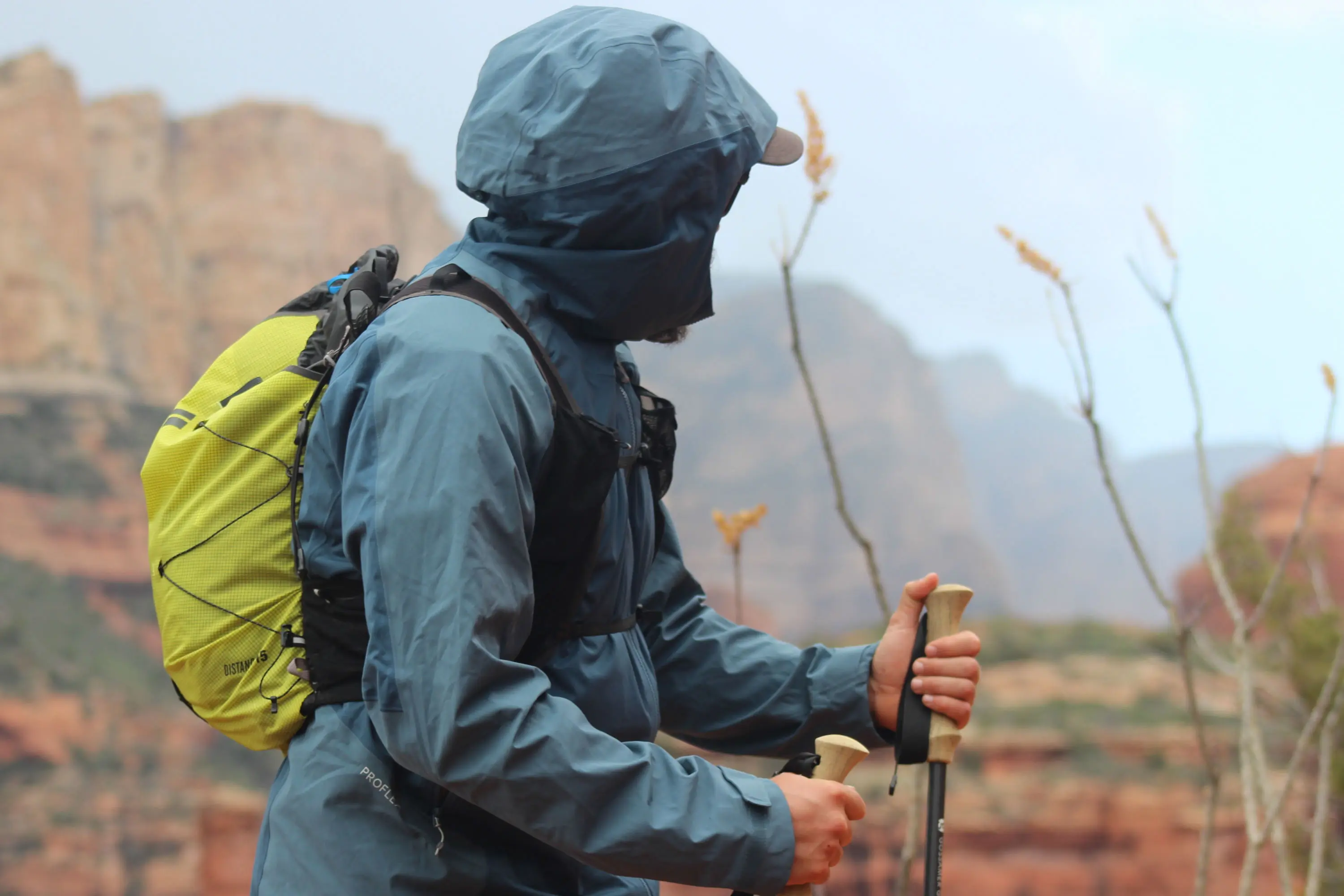
Gore-Tex is the "Intel" of the outdoor world—a third-party ingredient brand that commands a premium price. The technology works via a membrane with billions of microscopic pores. These pores are 20,000 times smaller than a water droplet (blocking rain) but 700 times larger than a water vapor molecule (allowing sweat to escape).
In our testing, we’ve found that Gore-Tex provides superior long-term breathability and durability. However, if you only find yourself in light rain a few times a year, more affordable proprietary coatings—like those found in budget-friendly REI or Marmot jackets—often suffice.
The real "Performance Gap" often isn't the membrane itself, but the "face fabric" (the outer layer). Premium 3-layer hardshells, such as the Helly Hansen Odin, typically feature 70D (Denier) fabrics. Data shows these offer over 2x the abrasion resistance compared to minimalist 30D alpine shells. If you’re a traveler who tosses their gear into the bottom of a pack or brushes against jagged rocks, that extra $200 for higher denier fabric is actually an investment in the jacket’s lifespan.
Best Picks by Budget Category
The 'Buy It For Life' Investment (Premium)
When money is no object, you are paying for precision engineering and the highest-tier materials. These jackets are designed to survive a decade of abuse.
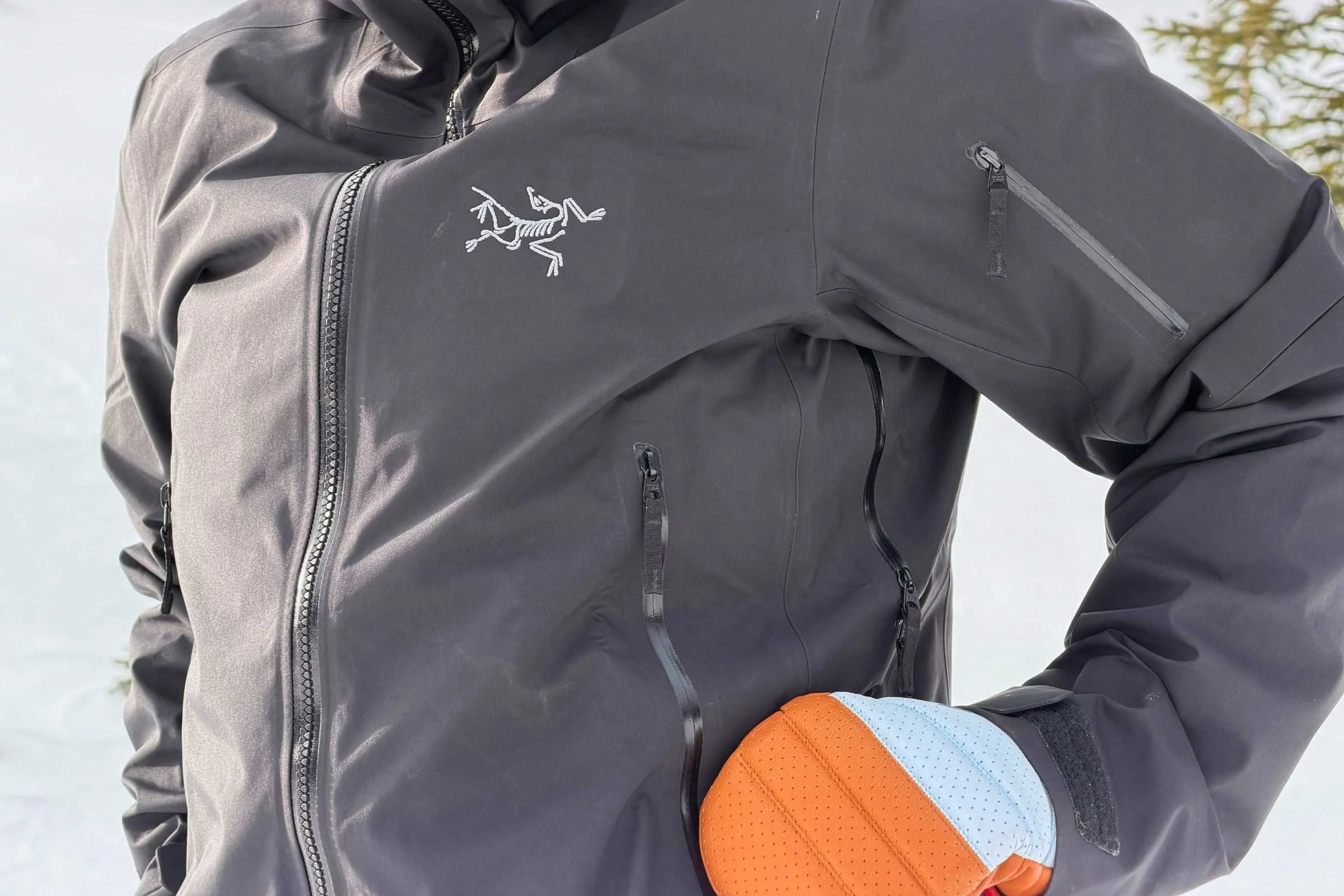
1. Arc’teryx Beta AR ($600) The gold standard for women's hardshells. It uses a mix of 40D and 80D Gore-Tex Pro for targeted durability.
- Pros: Exceptional hood design (DropHood), incredibly durable, articulated fit.
- Cons: Extremely expensive; overkill for casual use.
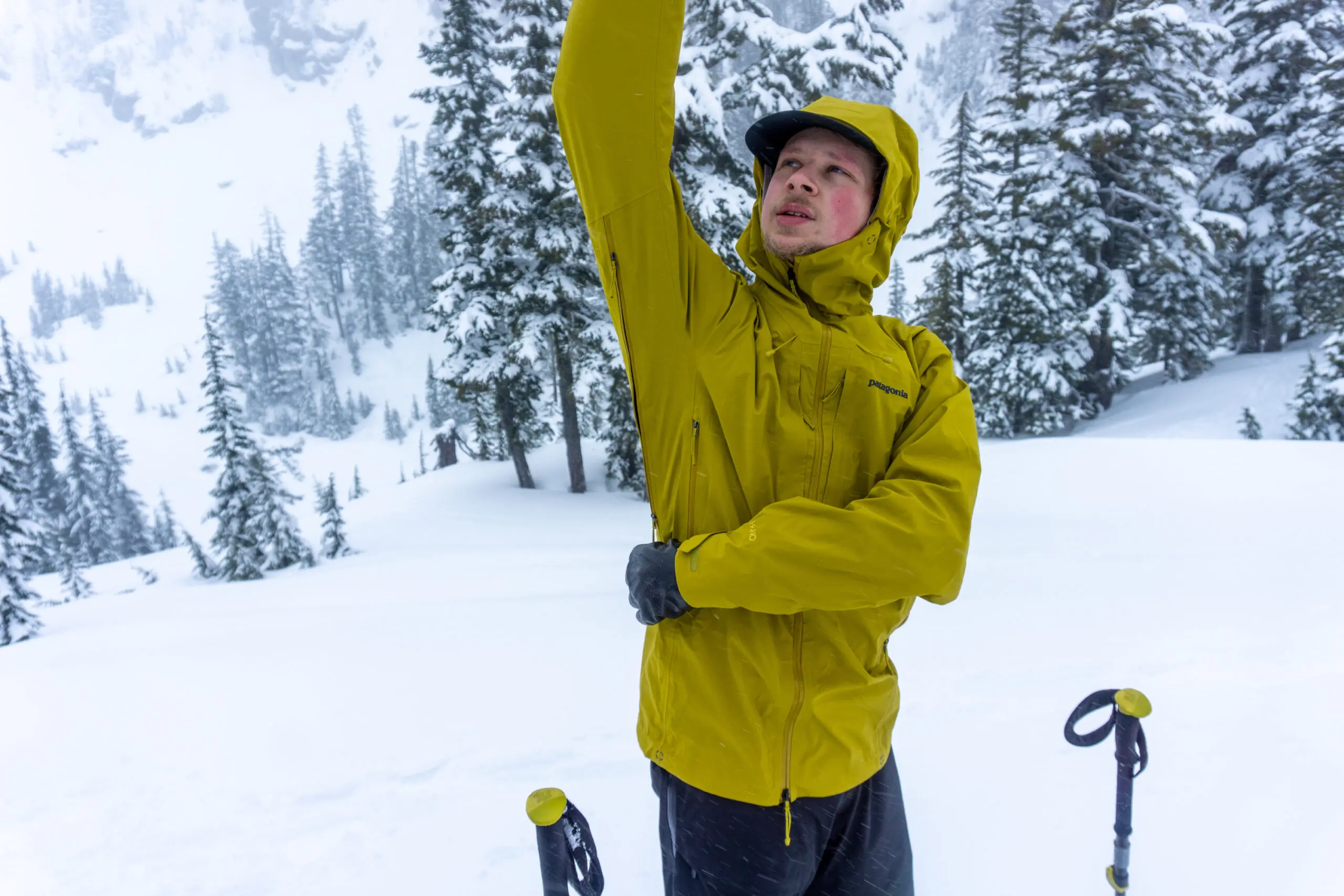
2. Patagonia M10 Storm ($379) A minimalist’s dream. This 3-layer shell is designed for alpine climbers who need maximum protection with zero weight penalty.
- Pros: High-end breathability, ethically made (Fair Trade Certified).
- Cons: Minimal pocket space; thinner face fabric than the Beta AR.
The Performance All-Rounder (Mid-Range)
This is the category where most active travelers will find their best match—balancing high-end features with more palatable pricing.
1. Outdoor Research Aspire 3L ($249) Known for its "TorsoFlo" venting, which allows the jacket to be unzipped from hem to bicep, essentially turning it into a poncho for maximum airflow.
- Pros: Best-in-class ventilation; stretchy 3-layer fabric.
- Cons: Slightly heavier than minimalist shells.
2. Marmot Minimalist Pertex ($185) A classic choice that uses Gore-Tex Paclite. It bridges the gap between a technical shell and a lifestyle jacket.
- Pros: Clean aesthetic for city travel; reliable Gore-Tex performance.
- Cons: Simple feature set; not meant for extreme alpine use.
Best Bang-for-Buck (Budget)
You don't need to spend a fortune to stay dry. These options offer legitimate waterproofing at a fraction of the cost.
1. Patagonia Torrentshell 3L ($179) Historically a 2.5-layer jacket, Patagonia recently upgraded this to a full 3-layer construction. It is arguably the best value in the industry right now.
- Pros: Hardshell-level 3-layer performance at a rain jacket price point.
- Cons: The fabric is stiff and can be loud.
2. REI Co-op Rainier ($100) A solid entry-level choice for the casual hiker. It uses a 2.5-layer recycled nylon shell.
- Pros: Incredible price; packs into its own pocket.
- Cons: Membrane will degrade faster than 3-layer options; lower breathability.
Shop the Patagonia Torrentshell 3L →
Buying Criteria: How to Match a Shell to Your Life
When choosing between these categories, consider your Activity Level. High-output activities like trail running or steep climbing generate immense body heat. For these, a jacket’s breathability (MVTR) and mechanical venting (pit zips) are paramount. For low-output activities like walking the dog or city sightseeing, you can prioritize style and comfort over technical specs.
Climate factors also play a role. If you live in the Pacific Northwest (PNW), you deal with high humidity and constant mist; you need a jacket with a robust DWR (Durable Water Repellent) coating. In the dry cold of the Rocky Mountains, you might prioritize windproofing and enough room for thick insulation layers underneath.
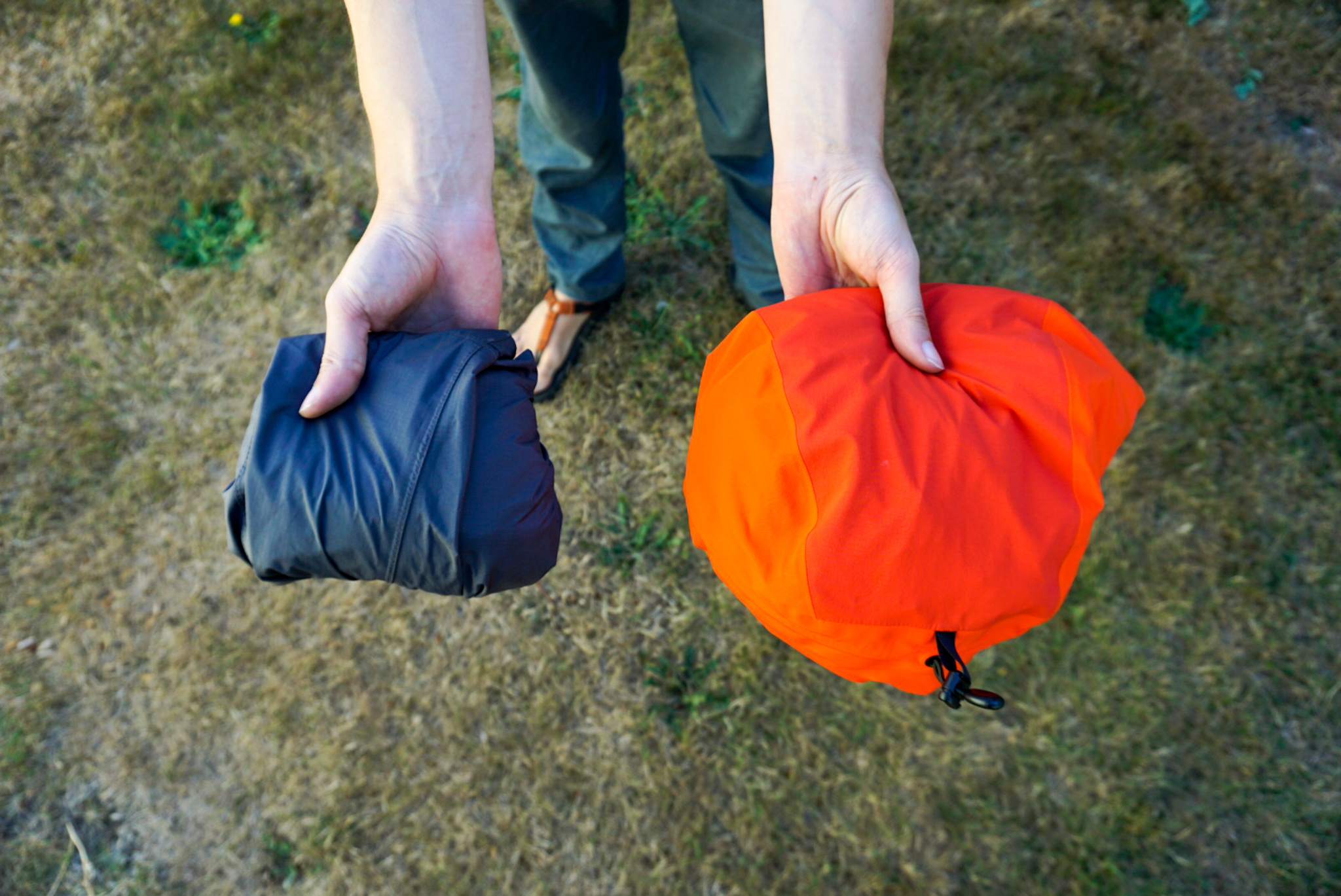
Finally, consider the Weight vs. Features trade-off. In our analysis, we noted a 114% weight increase moving from a minimalist shell (approx. 9.9 oz) to a feature-rich alpine shell (up to 21.2 oz). That extra weight buys you "pit zips," hand-warmer pockets, and heavy-duty zippers. If you are a thru-hiker, every ounce counts. If you are a traveler who values convenience, those pockets are worth the weight.
Maintenance: How to Extend the Life of Your Investment
Many consumers think a jacket "breaks" when it starts soaking up water. In reality, it’s usually just a dirty DWR coating. DWR is a chemical treatment that causes water to bead up and roll off. When this coating is clogged with dirt or body oils, the water "wets out" the fabric, making the jacket feel heavy and cold—even if the membrane underneath is still waterproof.
To maintain your investment:
- Launder regularly: Don't be afraid of the washing machine. Use a technical wash (like Nikwax Tech Wash) rather than standard detergents, which can leave residues that attract water.
- Apply Heat: After washing, tumble dry on medium heat for 20 minutes. The heat helps reactivate the DWR polymer chains.
- Re-treat: Every season, or after heavy use, spray on a fresh DWR treatment to keep that "beading" effect alive.
FAQ
Q: Why does my jacket feel wet on the inside if it’s waterproof? A: This is usually condensation, not a leak. If the jacket’s breathability can’t keep up with your sweat, or if the outer fabric has "wetted out" (preventing vapor from escaping), your own sweat stays trapped inside. This is why pit zips and DWR maintenance are so important.
Q: Can I use a hardshell as a winter coat? A: Yes, but remember that a shell has no insulation. It is a "shield," not a "blanket." You must use a layering system—base layer, mid-layer (fleece or down), and then the shell—to stay warm in freezing temperatures.
Q: Is it worth buying a used high-end shell? A: Only if the inner lining is pristine. Look for "delamination"—where the inner fabric starts to peel away from the membrane (it looks like bubbles or white flakes). If you see delamination, the jacket is reaching the end of its life.
Final Thoughts
The "best" jacket isn't the most expensive one; it’s the one that matches the demands of your specific environment. If you are an occasional hiker, the Patagonia Torrentshell 3L offers world-class protection for under $200. If you are an alpine enthusiast who demands the best, the Arc’teryx Beta AR remains an unrivaled investment. Buy for the conditions you actually face, not the ones you imagine, and your wallet will thank you.